
This $400M Machine Prints Chips in a Focus Thinner Than a Virus (Intel Went First)
The Hardest Machine Humans Ever Built Just Made Its First Real Chips
This one has not been published to the channel yet. Subscribe on YouTube and it will turn up there.
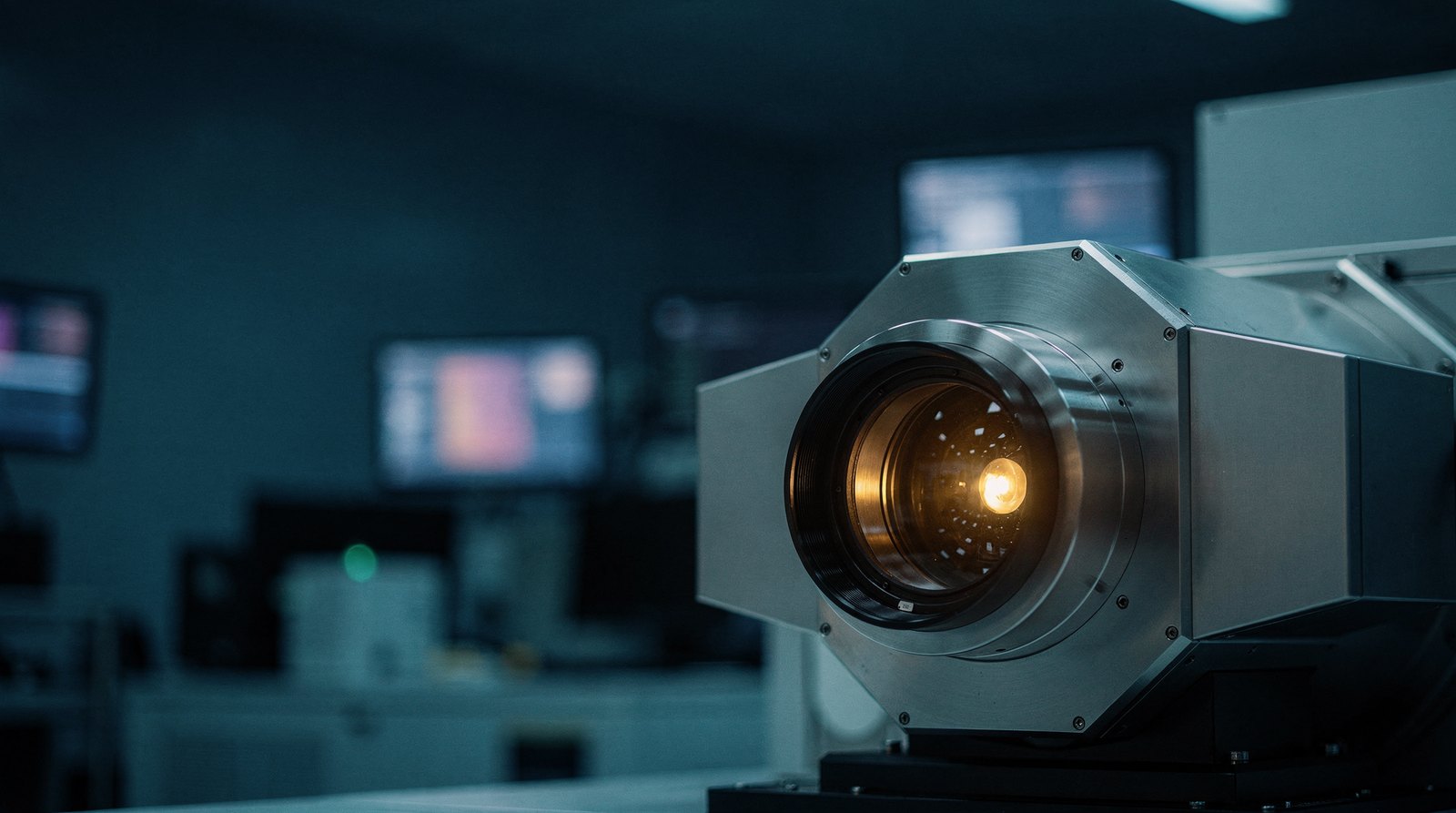
- It's called High-NA EUV: a $400-million lithography system, twice the price of a normal chip printer, and Intel just became the first company on the planet to ship commercial chips made on it.
- The real story is what this machine does to the factory: it draws the tiniest features in ONE exposure instead of two (fewer masks, fewer steps, less time each wafer spends collecting defects), while shrinking the focus window to about a third of normal and printing only half a chip at a time — which means stitching two halves together and lining up layers within a couple of nanometers, every single time.
- The actual breakthrough isn't the optics (Zeiss perfected those years ago) — it's that Intel held ~85% yield on this brutal new process, up from ~65% a quarter earlier, and that's how it clawed back into a foundry race a lot of people had written off.
- We break down how it works, why it matters for the chips in everything you own, and the honest catch (2.5x cost per shot, select layers only, full payoff around 2030).
Why this matters
This week the most expensive machine humans have ever built made its first real products — and almost nobody noticed. But the headline everyone repeats — "smaller transistors" — is the boring part.
GitHub just opened its Copilot DESKTOP app to everyone (free, all tiers) — and it runs coding agents in PARALLEL on one repo, each in its own isolated git worktree (own branch + files, zero conflicts). Kick off 3 sessions at once — one writes the feature, one the tests, one the docs — then review and merge the branches that pass.
- 0:00The most expensive machine ever built
Genuine question for the people who actually run process: on a 1/3 focus window, would you trust AI to auto-tune focus + overlay lot-to-lot, or keep an engineer signing off every critical layer?
Argue with me on LinkedInReferences for this piece are in the pinned comment on the video. Nothing is cited here that cannot be linked.
Full transcript, 365 spoken words
Keep reading
All pieces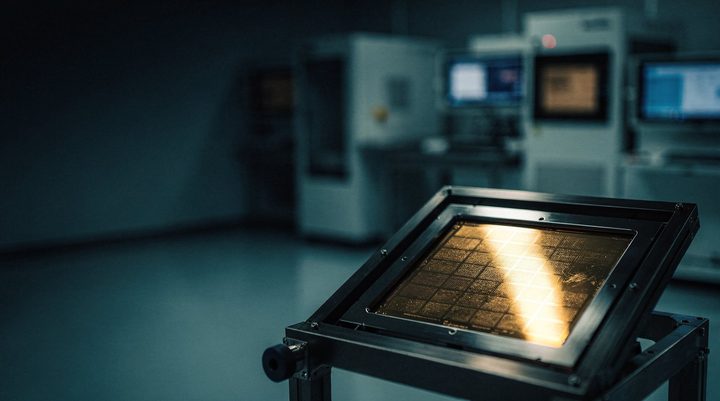
AMD Just Bought an AI Chip That Can Never Be Updated
On 6 August 2026 AMD announced it was acquiring Taalas, a Toronto startup that does something no GPU does: it etches an AI model's weights physically into the silicon. The weights live in a mask-ROM fabric where a single transistor holds a four-bit value and performs the multiplication in the same place the data sits…
The Chip So Big They Can't Throw the Broken Part Away
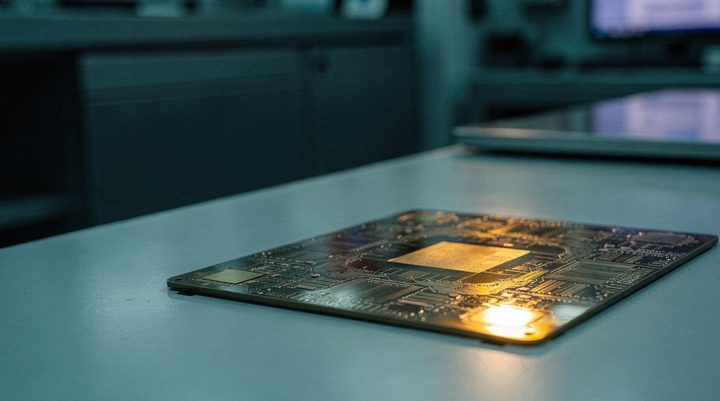
Every chip factory on Earth runs on the same rule: cut the wafer into hundreds of chips, test them, and throw the broken ones away. That rule is what "yield" means.

Chips Just Got Flipped Over — Why Your Next AI Chip Gets Power From the Back
For sixty years, a computer chip carried its power and its data on the same side — the front. As transistors shrank to 2nm, that surface ran out of room: the fat power wires choke the thin signal wires and the transistors droop, quietly capping speed.