
Two Machines, One Chip Layer
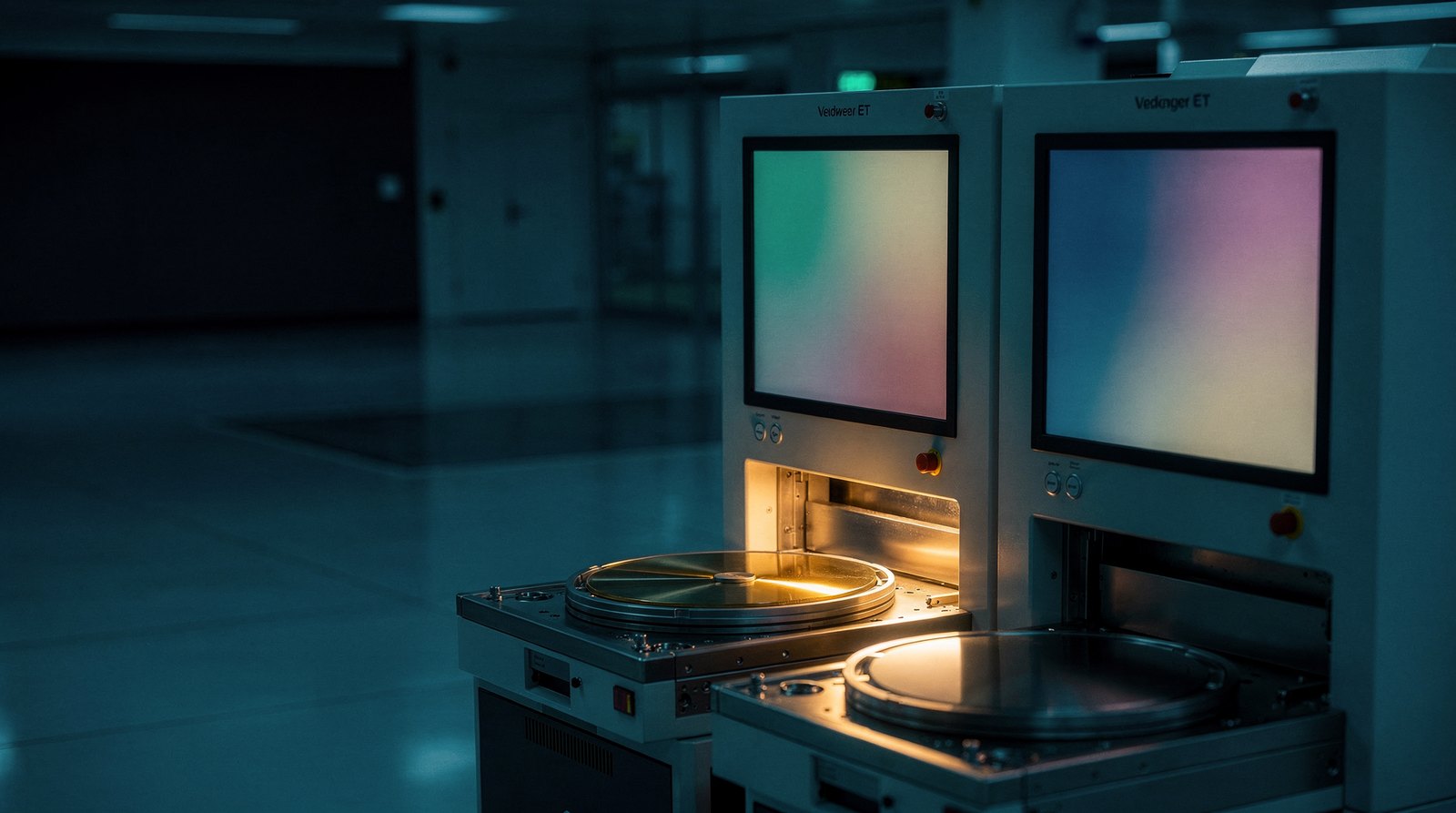
Intel just ran the same 18A chip layer on a ~$380M High-NA EUV machine AND a standard scanner — and got matched yield (first high-volume High-NA logic ever, July 15).
This one has not been published to the channel yet. Subscribe on YouTube and it will turn up there.
To actually understand a fab, don't start with the $400M machine — start with overlay. Learn how a fab matches two tools to run one recipe, and you understand what a fab really is.
References for this piece are in the pinned comment on the video. Nothing is cited here that cannot be linked.
Full transcript, 276 spoken words
Keep reading
All pieces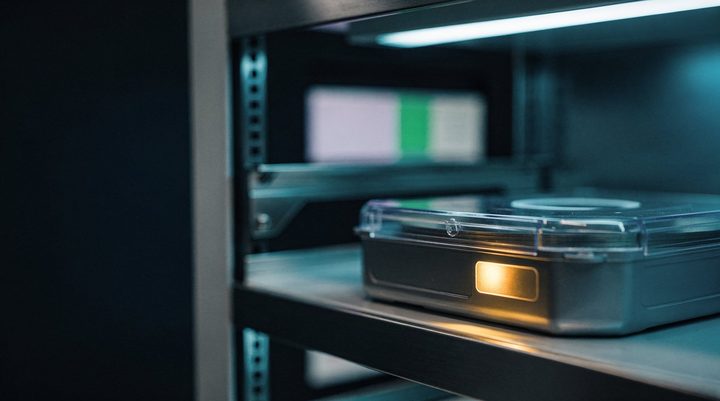
The Wafer That Can't Get Lost
The chip in your phone survived ~1,400 steps and about 3 months in a factory — and the fab can still tell you every tool, recipe, and chamber it touched.
The #1 AI Model Is Free & Chinese — and the Only Kind Your Chip Factory Can Run
This week the #1 AI model is free, open-weight, and Chinese: Kimi K3 (2.8 trillion parameters) topped the Frontend Code Arena at 76%, beating Claude Fable 5, while GLM-5.2 matches the top models at a sixth of the cost under an MIT license. Every creator is asking which open model won.
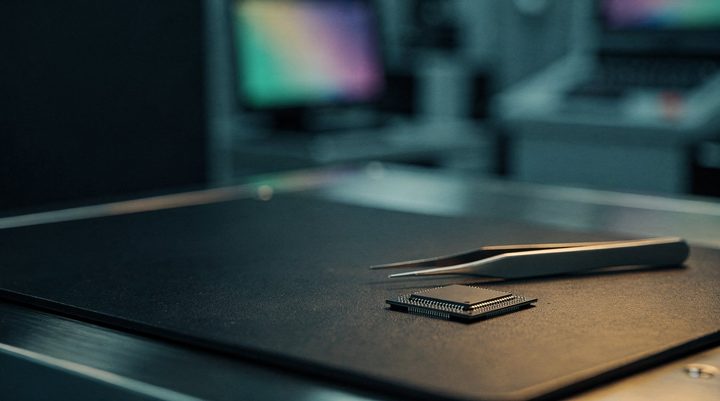
The Chip Behind the Recall
~1.4 million vehicles and units were recalled in just the first two weeks of July.