
The #1 AI Model Is Free & Chinese — and the Only Kind Your Chip Factory Can Run
China's Free AI Just Beat Claude — Here's Why a Chip Fab Still Can't Use It
In plain words
The number one AI model is free and Chinese. It is also the only kind a chip factory can run.
Kimi K3, a free model from China, topped a coding leaderboard at 76% this week. It beat the big paid models.
Every creator asked which free model won. The factory question is different. Which one can a chip factory actually use?
A factory's recipes, settings and defect data are some of the most valuable secrets on earth.
Samsung banned ChatGPT in 2023 after engineers pasted secret chip code into it.
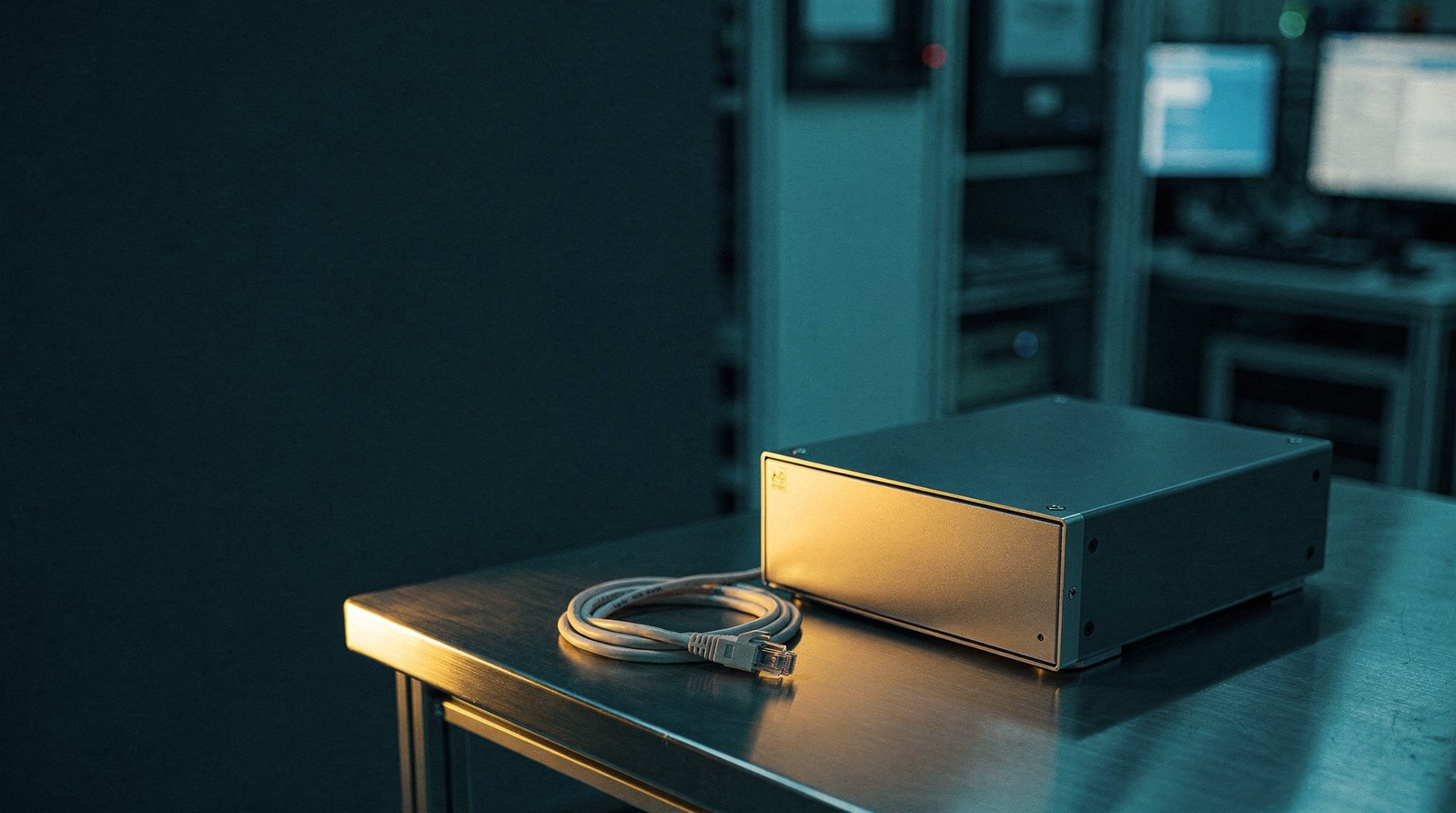
So the only model a factory can trust is one it runs behind its own walls. That means a model you can download.
Picture it. A recipe book you can read at home, versus one you must read aloud in a café where everyone can hear.
Why it matters to you. Before you paste anything into a cloud AI, keep a redactor prompt ready: rewrite my text so the question survives but every proprietary detail is gone.
The number
FRONTEND CODE ARENA · KIMI K3 · JULY 2026
What to do Monday
Before you paste anything into a cloud AI, save a reusable "trade-secret redactor" prompt: "Act as a trade-secret redactor. Rewrite my text so my question survives, but every proprietary specific — recipe names, setpoints, tool and lot IDs, customer and part names — becomes a placeholder, and list what you redacted." I ran it on a sample shift note and it caught all 12 specifics while leaving the question answerable.
In the video
- 0:00The #1 model your fab can't use
The honest caveat
A leaderboard measures one kind of coding task, and 76% on it says nothing about factory data. Running a model behind your own walls also means owning its updates and its security. Free to download is not free to run.
Your turn
Which lands in fabs first — a smaller open model everyone runs on-prem, or a locked-down private cloud of a closed one?
Argue with me on LinkedInSources
The run's own source list was not recorded. These are the sources the piece names in its own words, listed here so every claim has an owner.
- AnalystFrontend Code Arena — Kimi K3 topping the coding leaderboard at 76% (July 2026)
- PressSamsung — the 2023 ban on ChatGPT after engineers pasted chip code into it (press reports, 2023)
Read the full script (330 words)
Keep reading
All pieces
NVIDIA Just Bought Your Factory's AI Supply Chain
NVIDIA just paid $12.9 billion for a company making about $150 million a year — roughly 80 times revenue. Why is that a factory story?
Robots Are Taking Over Factories — But They Still Can't Do Your Job
Humanoid robots are clocking into real factory floors in 2026 — 40 of Figure's robots at BMW (billed at ~$25 a robot-hour), Tesla's Optimus Gen 3 going into production, Boston Dynamics' Atlas heading to Hyundai's $26B plant, and Agility's Digit already moving 100,000 totes at GXO. But here's what almost nobody is telling you: the…
Your Chip Factory Can't Agree Which Die Failed
Every chip on a wafer has an address, and there is a standard for writing it down: SEMI E142, the specification for substrate mapping. The problem is that wafer test data mostly doesn't use it — the XY coordinates coming out of a prober depend on the prober and the recipe combination, and probably don't…