ReadNotes From the Field24 Jul 20262:28MES & shop-floor systems

The Wafer That Can't Get Lost

The chip in your phone survived ~1,400 steps and about 3 months in a factory — and the fab can still tell you every tool, recipe, and chamber it touched.
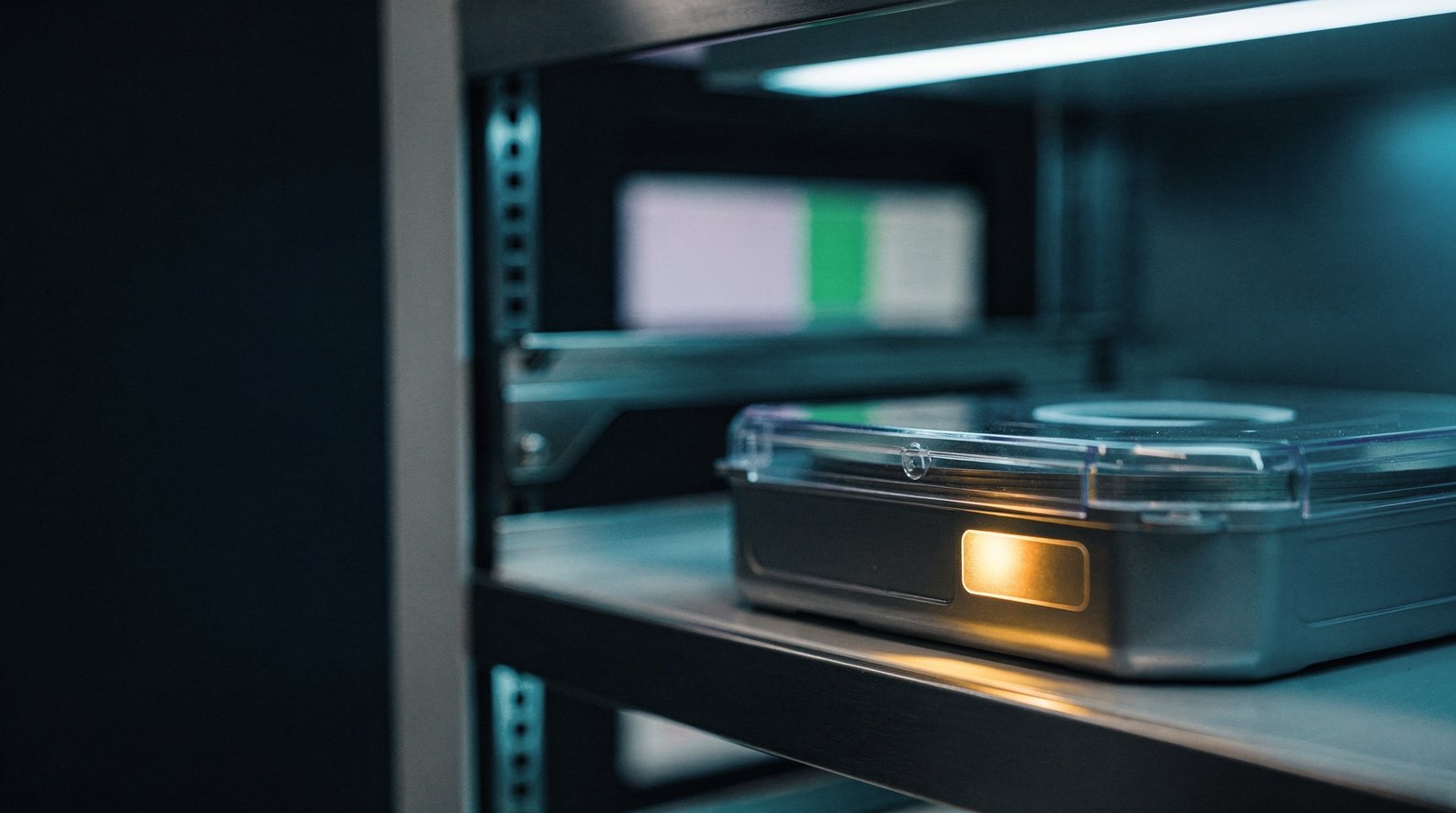
A wafer carrier pod with a small rfid tag on its side, the tag lit warm gold, on a stocker shelf
The object this week · generated illustration, no people, no brands
Video

This one has not been published to the channel yet. Subscribe on YouTube and it will turn up there.

What to do Monday

Build a "commonality finder" in ChatGPT (or a Claude Project) — paste failing units + their process history and ask what one tool/step/chamber they ALL share. I fed it 20 fails; it flagged a single chamber in seconds. Save it, try it this week.

Sources

References for this piece are in the pinned comment on the video. Nothing is cited here that cannot be linked.

Full transcript, 339 spoken words
The chip in your phone survived more than a thousand steps… and about three MONTHS inside a factory. Lose track of one wafer, for one step — and you can scrap a month of work. So here's the system that never loses it. And once you see it, you can't unsee it. Every wafer gets a kind of birth certificate. Every tool it touched, every recipe, every chamber, every operator, every second of sensor data — recorded. It's called lot genealogy. And the scale is insane. One fab logs more than fifty TERABYTES… a day. A single tool can capture a thousand sensor readings per wafer. That's a quarter of a terabyte for one lot of twenty-five. Now here's why it matters. Say one process chamber goes bad — a tiny gas leak, a worn part. Without genealogy, you don't know which chips it touched… so you hold EVERYTHING. With it? You ask one question — which wafers went through that chamber — and in seconds the system hands you the exact list. That's commonality analysis. You contain twelve lots… instead of scrapping twelve hundred. And it's not optional. Your car's chips are traced die by die, kept on record for up to fifteen years, because automotive demands defects in the parts-per-BILLION. Every safety-critical chip traces back to the exact wafer, the exact tool, the exact minute. That's the real magic of a modern fab. It doesn't just build the chip — it never forgets HOW. And the engineer who can rewind any chip's entire life is the one who saves the factory on its worst day. If you want the fab explained the way it actually works — follow. One layer deeper, every week. And a quick tip you can steal this week. Build a "commonality finder" in ChatGPT — or a Claude Project. Paste a list of failing units with their process history, and ask: what's the ONE tool, step, or chamber they ALL share? I fed it twenty fails — it pointed at a single chamber in seconds. Save that prompt. Run it this week.