
The Real AI Shortage Is Memory, Not GPUs
Your next laptop just got about 20% more expensive. The reason is HBM, and HBM is a yield problem.
In plain words
Your next laptop just got 20% more expensive. The reason is memory, not GPUs.
Samsung, SK hynix and Micron make 95% of the world's memory. They have moved about 93% of that capacity to HBM, the stacked memory AI chips need.
HBM is now 23% of all memory wafers, and this year's output is sold out.
Ordinary memory prices rose as much as 90% in a quarter.
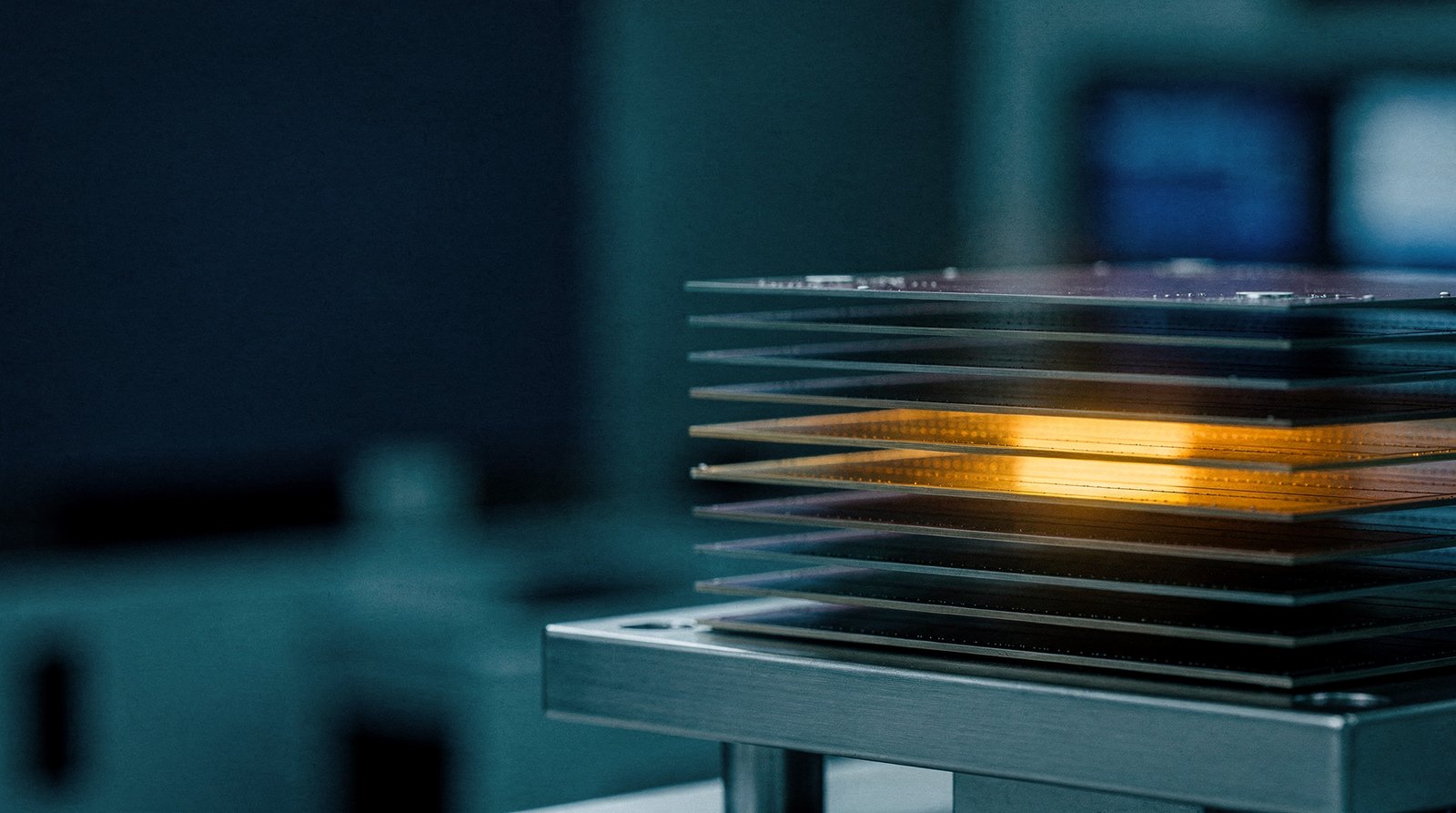
This is a yield problem, not a capacity problem. HBM stacks up to sixteen chips, and if one is bad, the whole stack is scrapped.
One HBM bit takes about three times the wafer of ordinary memory, so even moving 93% of capacity cannot close the gap.
Picture it. Stack sixteen glasses and one crack throws the whole tower away.
Why it matters to you. Relief comes from yield, not from building faster. Watch the stack yield numbers, not the factory announcements.
Terms in this piece
- HBM High Bandwidth Memory
- Memory chips stacked on top of each other and placed right beside a processor, so data moves fast enough for AI.
The number
OF MEMORY CAPACITY MOVED TO HBM · ANALYST ESTIMATE · 2026
The honest caveat
The 93% and 23% figures are analyst estimates of capacity moves, and memory makers add lines when prices spike. Prices that rose 90% in a quarter can fall as fast. Stack yield is the constraint today; it will not be forever.
Your turn
Are you seeing HBM/advanced-packaging pull talent and capex where you are — and is yield, not wafer count, the real constraint on your line?
Argue with me on LinkedInSources
The run's own source list was not recorded. These are the sources the piece names in its own words, listed here so every claim has an owner.
- AnalystAnalyst estimates as stated in the piece — Samsung, SK hynix and Micron at about 95% of world memory output, about 93% of capacity moved to HBM, HBM at 23% of memory wafers, ordinary memory prices up as much as 90% in a quarter (July 2026)
Read the full script (212 words)
Keep reading
All pieces
The Chip So Big They Can't Throw the Broken Part Away
Every chip factory on Earth runs on the same rule: cut the wafer into hundreds of chips, test them, and throw the broken ones away. That rule is what "yield" means.
AI Ate Your RAM — And There Was Never a Shortage
Your RAM got about twice as expensive this year, and the reason has almost nothing to do with a shortage — the memory fabs are running flat out at record output, with $52B going into 300mm memory equipment in 2026 alone, up 29%. What actually happened is a reallocation, and it comes down to physics…
NVIDIA's Chip Is Finished — It Still Can't Ship (The Real AI Bottleneck)
NVIDIA's fastest AI chip has been finished for months — and it still can't ship. The reason isn't the 2-nanometer transistor everyone's racing toward; it's the very last step, advanced packaging.