
NVIDIA's Chip Is Finished — It Still Can't Ship (The Real AI Bottleneck)
The AI Chip Shortage Isn't Chips. It's the Glue That Holds Them Together.
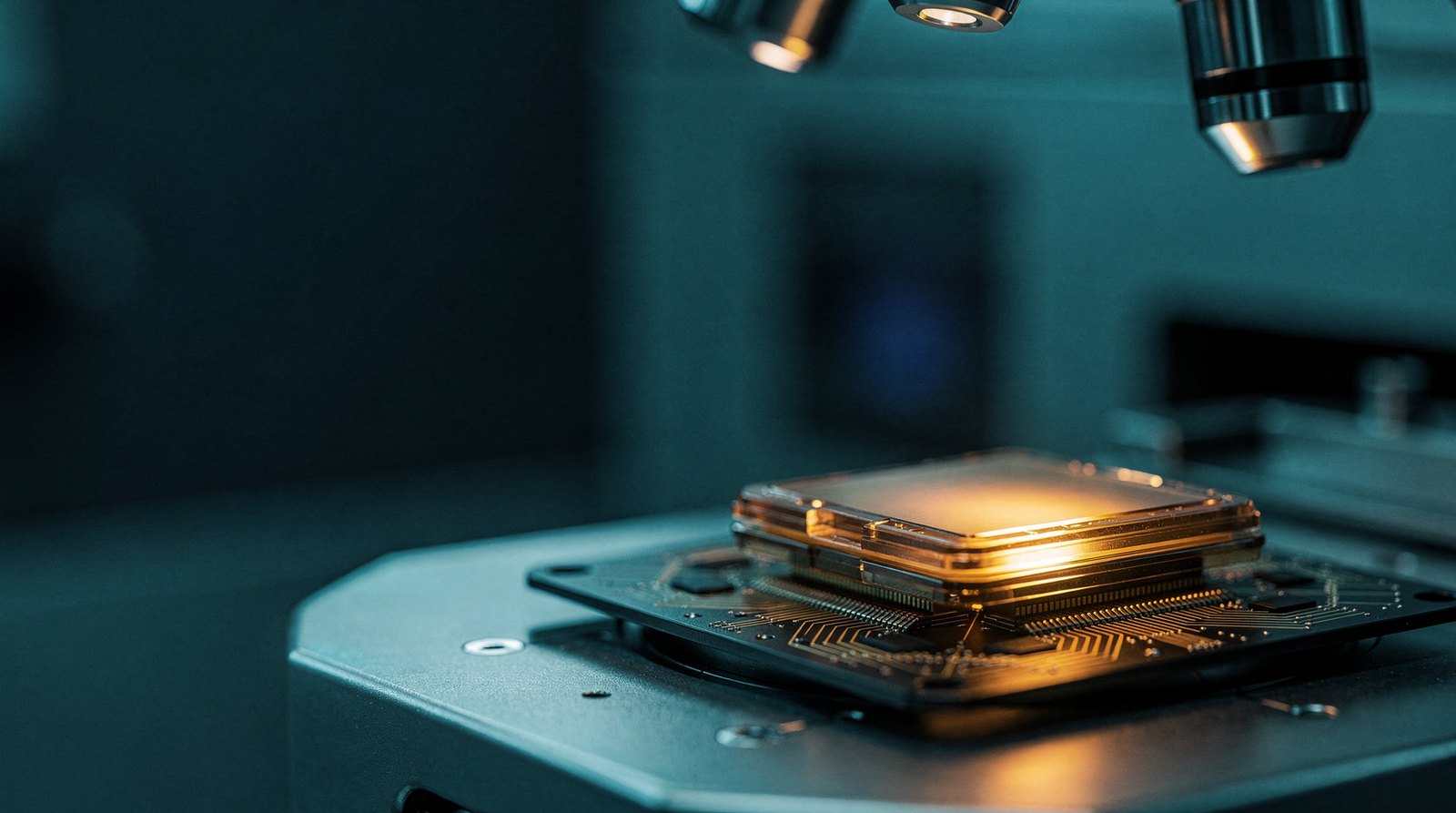
- The reason isn't the 2-nanometer transistor everyone's racing toward; it's the very last step, advanced packaging.
- In this video I break down why "CoWoS" — bonding a logic die and a stack of memory onto one slab of silicon — is now the single hardest bottleneck in the AI boom, why NVIDIA has booked more than half the world's packaging capacity through 2027, and why memory + packaging is 60–70% of a top AI chip's cost while the logic is barely 13%.
- One bad bond out of 20 million scraps the whole module.
- And here's the part nobody talks about: the "dumb back-end" of the fab now needs front-end-grade traceability, metrology and process control — that's not packaging anymore, that's a fab.
Why this matters
NVIDIA's fastest AI chip has been finished for months — and it still can't ship.
ChatGPT Work (OpenAI, launched Jul 9): stop asking AI, start assigning it. Open the ChatGPT desktop app → flip the mode switch to "Work" → point it at a folder (e.g. 4 vendor PDFs) → give it the OUTCOME ("turn these into a one-page comparison, flag the risks") → walk away and come back to a finished draft.
- 0:00NVIDIA's chip is done, but can't ship
If you ran the fab: would you trust an AI to auto-tune the bonding process for that last 1% of yield, or keep a human in the loop on every lot?
Argue with me on LinkedInReferences for this piece are in the pinned comment on the video. Nothing is cited here that cannot be linked.
Full transcript, 258 spoken words
Keep reading
All pieces
The Chip So Big They Can't Throw the Broken Part Away
Every chip factory on Earth runs on the same rule: cut the wafer into hundreds of chips, test them, and throw the broken ones away. That rule is what "yield" means.
The Most Important Monopoly in AI Just Cracked (It's Not Nvidia)
A $200B deal just cracked the most important monopoly in tech — and it's not Nvidia. It's the company that MAKES Nvidia's chips: TSMC, which quietly builds ~70% of the world's advanced AI silicon and, for years, had no real rival.

Chips Just Got Flipped Over — Why Your Next AI Chip Gets Power From the Back
For sixty years, a computer chip carried its power and its data on the same side — the front. As transistors shrank to 2nm, that surface ran out of room: the fat power wires choke the thin signal wires and the transistors droop, quietly capping speed.