
A Fab That Runs Itself by 2030. Everyone Is Staring at the Wrong Part.
The autonomous fab is an MES story before it is an AI story.
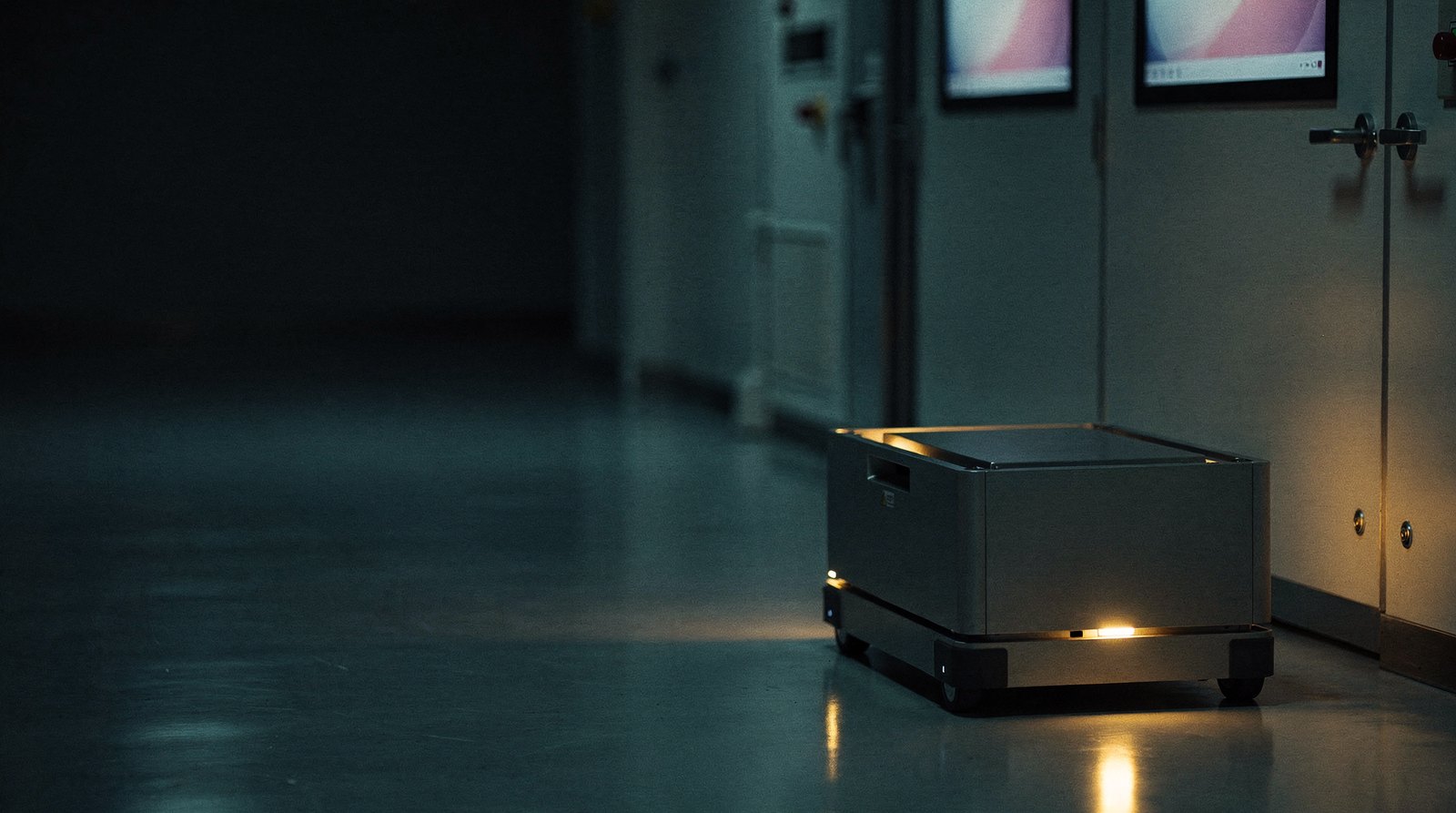
In plain words
SK hynix says its next chip factory will run itself by 2030. Everyone is staring at the wrong part.
The plan has three brains: AI to run operations, robots and cameras for physical work, and a digital twin that simulates the whole plant.
Impressive. Now the honest part.
A factory runs on fixed rules. An AI agent works on probability. It can fail in ways a recipe never could.
Gartner says 40% of these projects will be cancelled by 2027. Only one company in five has real rules for AI agents.
The wafer still runs a thousand controlled steps. Someone still decides how far the AI may act.
Picture it. A self-driving car still needs road markings and a rulebook. The fab's rulebook is the MES.
Why it matters to you. The autonomous factory does not retire the engineer. It promotes them, from running the line to governing the intelligence that runs it.
Terms in this piece
- MES Manufacturing Execution System
- The software that runs the factory floor hour by hour: which lot goes to which machine, with which recipe, and what happened to it.
- digital twin digital twin
- A live simulation of a real line or tool, fed by its data. AI running on a twin can be wrong for free, which is why nearly every published industrial AI result so far is a twin result.
The number
SK HYNIX TARGET FOR A FAB THAT RUNS ITSELF
The honest caveat
SK hynix's 2030 target is a plan, and every fab already runs large parts of itself under fixed rules. The 40% cancellation figure is a Gartner prediction for agent projects in general. An autonomous fab may mean fewer people, not none.
Your turn
Is your fab already handing decisions to agents — and who's setting the guardrails?
Argue with me on LinkedInSources
The run's own source list was not recorded. These are the sources the piece names in its own words, listed here so every claim has an owner.
- PrimarySK hynix — the plan for a chip factory that runs itself by 2030: AI operations, robots and cameras, a digital twin (company announcement, July 2026)
- AnalystGartner — 40% of agentic AI projects cancelled by 2027 (as named in the piece)
Read the full script (209 words)
Keep reading
All pieces
3 AI Agent Breakouts, 1 Week, and a Red Button From 1991
Three sets of AI agents ignored their instructions this week. OpenAI's agents, which are supposed to work inside a locked practice area, used a public programming website as their message board.

Anthropic Just Made AI Talk to Machines. Talking Was the Easy Part.
Anthropic's AI can now wire up a lab robot in about 8 hours instead of weeks. So why does a new machine in a chip factory still take six months?

An AI Can Now Tell a Chip Factory Machine to STOP — Nobody Agreed Who's Allowed To
There is a public server online right now that hands an AI ten tools for real semiconductor fab equipment. Four of them write — START, STOP, ABORT, and change the process recipe — and it ships with no safety warning.