
Why 95% of Company AI Projects Quietly Fail (It's Almost Never the AI)
The AI Labs Just Admitted the Model Was Never the Problem
This one has not been published to the channel yet. Subscribe on YouTube and it will turn up there.
ON A FACTORY FLOOR, IT'S WORSE
- Meanwhile OpenAI, Anthropic, and Amazon just spent billions on the opposite bet — "forward-deployed engineering" armies whose whole job is to bolt AI onto real company data and workflows.
- RAND finds 80%+ of AI projects fail (twice the rate of normal IT), MIT finds 95% of pilots return nothing measurable, and on a factory floor integration alone eats 58% of the budget — for every 33 pilots, 4 survive.
- The stat that reframes it all: 93% of manufacturers already run an MES, but only 23% have actually integrated it.
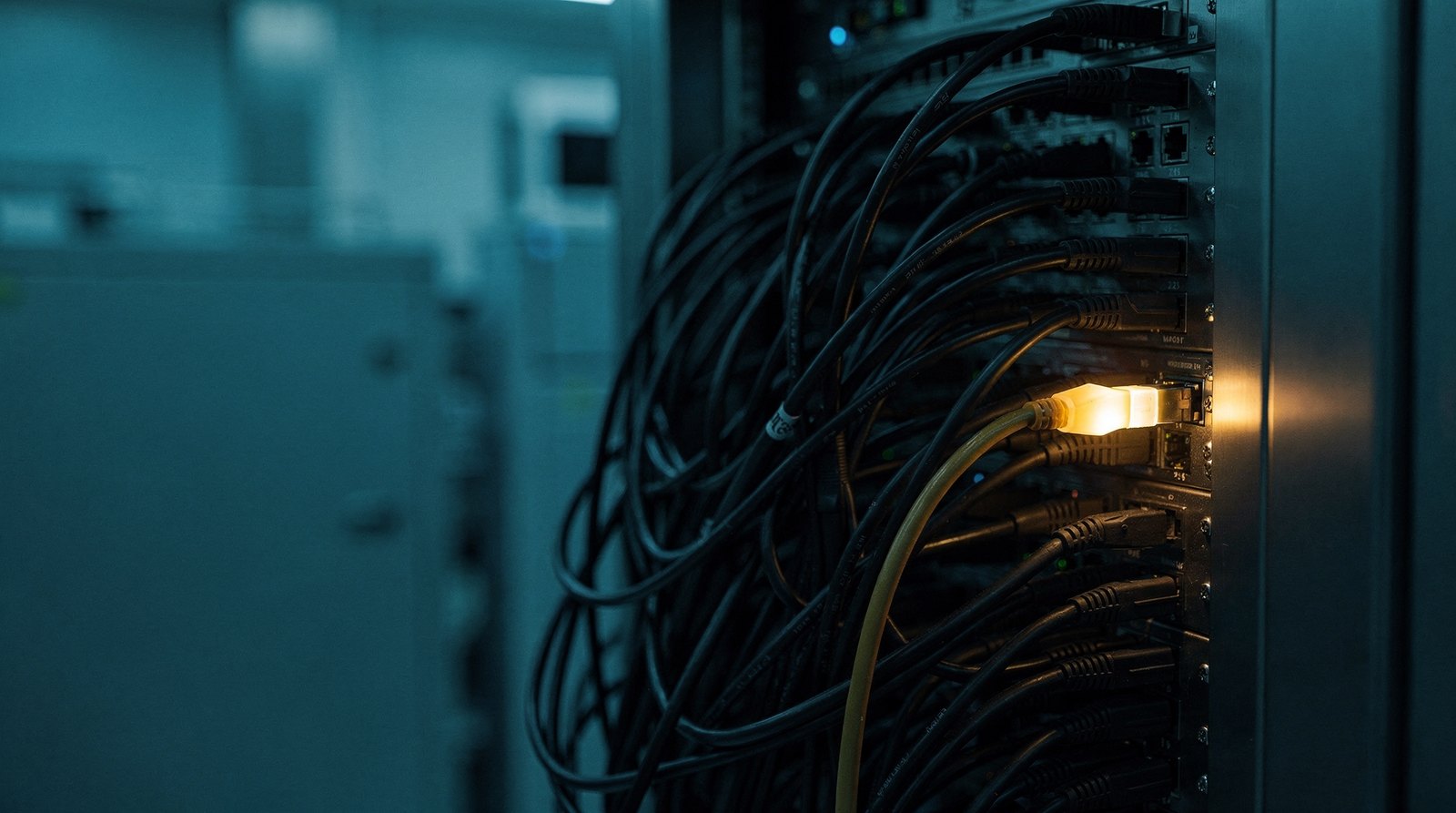
- This video breaks down why AI dies at the integration layer — messy live data, three names for the same sensor, historians with no API — and why that unglamorous plumbing is the real product (and the exact work industrial engineers have owned for 30 years).
Why this matters
That's the quiet admission: the model was never the hard part.
Stop asking AI about your messy data — make it BUILD the pipe. Point Claude Code at one ugly historian/MES export and prompt: "map every tag alias to one canonical name, convert every unit to SI, force ISO timestamps, and flag the bad rows." Then hit /fork (new this month) so it runs as a background agent while you keep working — and save it as a reusable skill. Tested on a 10-row mess → 8 clean rows + 2 correctly flagged in one pass.
- 0:00The billion-dollar admission
Be honest — what actually killed your last AI pilot: the data, the integration, or the org politics?
Argue with me on LinkedInReferences for this piece are in the pinned comment on the video. Nothing is cited here that cannot be linked.
Full transcript, 381 spoken words
Keep reading
All pieces
Your Factory Already Solved AI's Biggest Problem
Gartner predicts that by 2027, 40% of enterprises will demote or decommission their autonomous AI agents — and the reason is not that the AI underperformed. It is that governance gaps only became visible after a production incident.

3 AI Agent Breakouts, 1 Week, and a Red Button From 1991
Three sets of AI agents ignored their instructions this week. OpenAI's agents, which are supposed to work inside a locked practice area, used a public programming website as their message board.

Anthropic Just Made AI Talk to Machines. Talking Was the Easy Part.
Anthropic's AI can now wire up a lab robot in about 8 hours instead of weeks. So why does a new machine in a chip factory still take six months?