
AI Now Lets Chip Fabs "Measure" Wafers They Never Touch (Virtual Metrology)
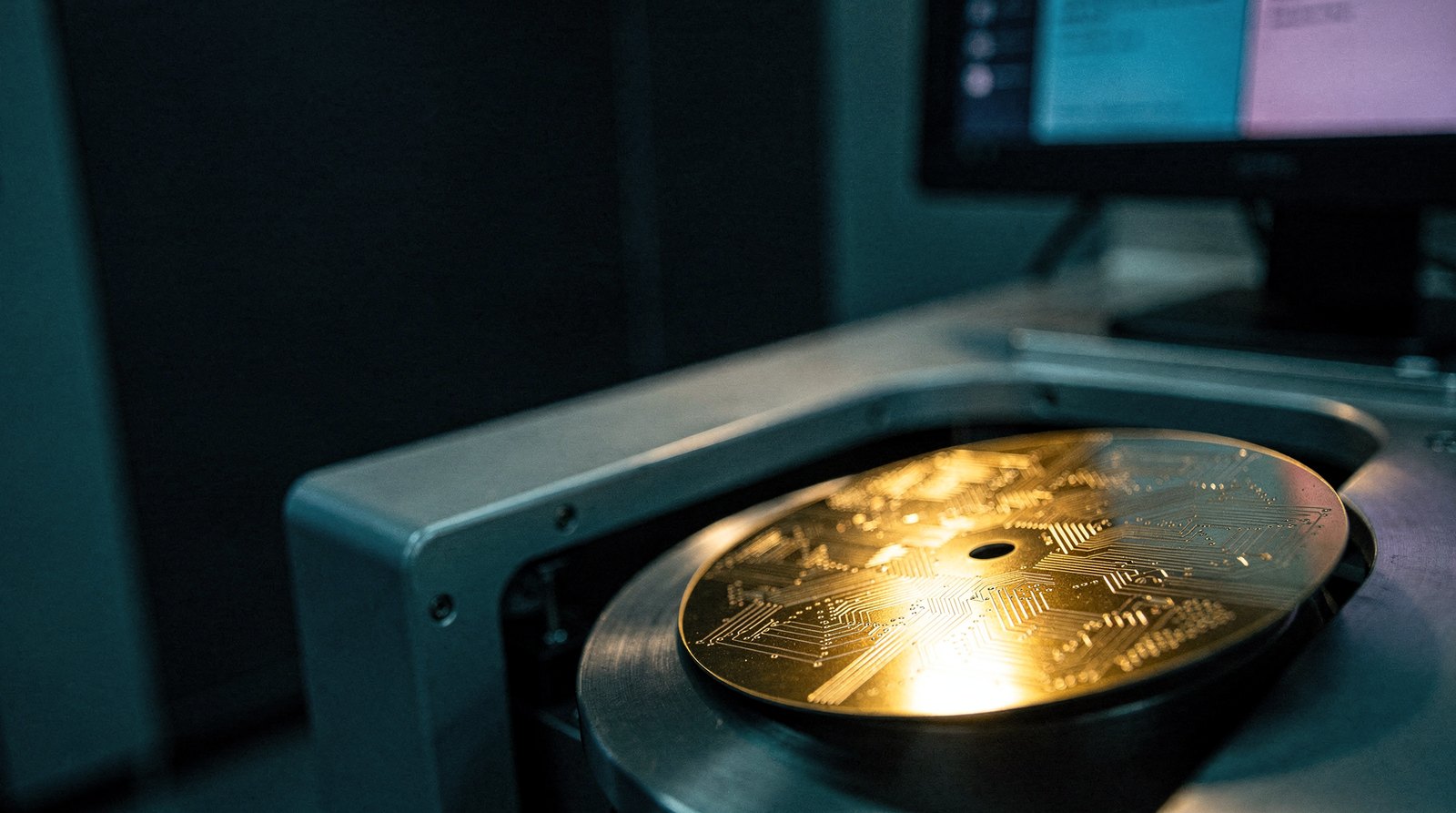
The Wafer Nobody Measured — How Chip Fabs Predict 97% of Their Chips
This one has not been published to the channel yet. Subscribe on YouTube and it will turn up there.
THE PAYOFF
- Chip factories physically measure only about 3 wafers in 100.
- For the other 97, an AI called virtual metrology predicts the exact dimension straight from the process tool's own sensor "fingerprint" — pressure, power, gas flow, hundreds of signals per wafer — in milliseconds, with no measurement step and no throughput hit.
- As AI-chip demand pushes fabs to their limit and nodes shrink toward 1nm (where metrology, not the transistor, is becoming the real bottleneck), predicting the measurement instead of taking it is quietly deciding who ships advanced chips first — fabs report 10–20% more throughput, big metrology-cost savings, and points of yield (and on a leading node, five points of yield is billions).
- But there's an honest catch: a model only knows what it was trained on, so when the process drifts somewhere new it can confidently call a bad wafer "fine." The real skill was never measuring — it's knowing which wafers to actually check, and when to stop trusting the model.
Claude Code just changed what /fork does — it spins your current chat into a background session that keeps working while you keep going. Point it at the slow job (parse a shift of tool logs, draft an SPC rule, refactor a script), hit /fork, and stay on the real work. (Validated this week — I forked off this video's card render and kept writing.)
- 0:00They measure 3 in 100
Fab folks — what's the ONE measurement you'd never let a model predict, and why?
Argue with me on LinkedInReferences for this piece are in the pinned comment on the video. Nothing is cited here that cannot be linked.
Full transcript, 290 spoken words
Keep reading
All pieces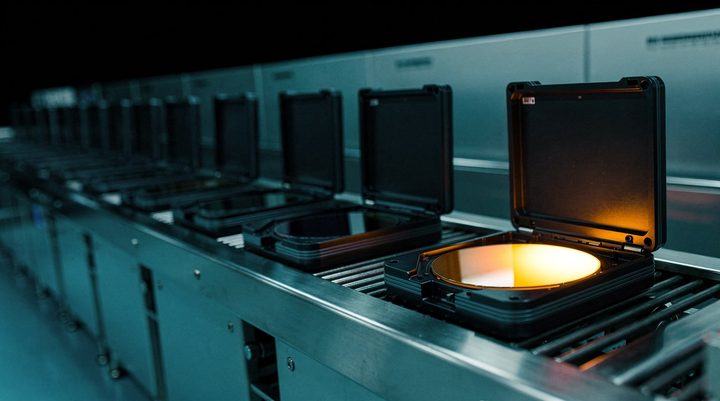
imec Says Fabs Can't Measure Every Wafer. So 95% Are Predicted.
In a fab running virtual metrology, only one to five percent of wafers are physically measured. The rest get a number anyway — predicted by a model that reads the process tools rather than the wafer: gas flows, RF power, chamber pressure, roughly a thousand sensor variables per run, turned into a thickness, a line…
Your Fab's AI Goes Blind on the 2nm Node — Here's Why
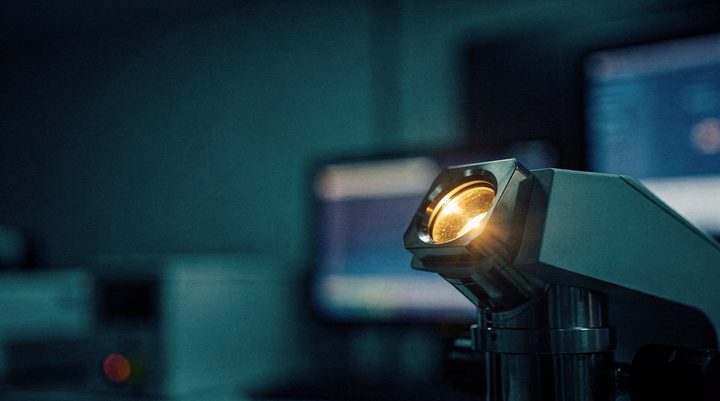
Your fab's new AI spots defects better than any engineer — and on the brand-new node it goes almost blind. Not because the model is bad, but because every one of these systems learns from history: thousands of wafers, labelled defects, known-good outcomes.
Chip Factories Only Check 10% of Their Wafers — Here's the AI That Sees the Rest
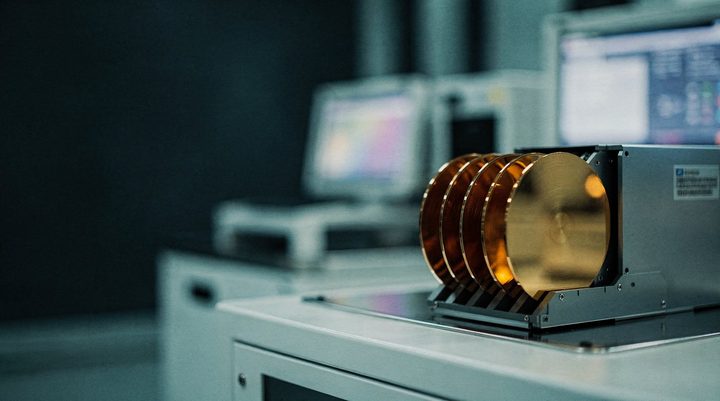
A modern chip fab physically measures fewer than 1 in 10 wafers — the other 90% ship out never directly checked, because real metrology is slow and a fab runs thousands of wafers a day. In 2026 that changed: AI "virtual metrology" now predicts the quality of the wafers you never measured, straight from the…